
ON THE POLICYHOLDER’S SIDE

Protecting what
you’ve built.

Property loss is personal. The response should be organized, informed, and accountable.

ClaimKnights is developing a coordinated model for complex property claims—bringing organized evidence, licensed claims expertise, and clear communication together around the policyholder.

Illinois pilot in development. Business and partner inquiries welcome.

ClaimKnights emblem: a confident property owner and his family standing alongside an armored knight as allies
Clarity. Evidence. Accountability.
Policyholder-centered designLicensed claims deliveryExecutive accountability

THE CLAIMKNIGHTS MODEL

One coordinated approach.
A stronger foundation.

Complex claims need more than a collection of documents. They need a clear process, qualified professionals, and a team that knows who owns the next decision.

01

Organize the evidence

Centralized intake, a clear loss chronology, and structured records bring the facts into focus before the case moves forward.

A complete, traceable case file
How an evidence record becomes a defensible claim

A folder of photographs is a starting point. A useful case record connects each disputed item to its location, date, condition, source document, and the professional conclusion it supports.

  • Preserve originals: retain unedited photos, reports, correspondence, invoices, policy forms, and endorsements with a source index.
  • Build the chronology: distinguish the loss event, emergency mitigation, inspections, repair decisions, and communications.
  • Map the gaps: record what is unknown, who must verify it, and whether a new inspection or specialist is needed.
  • Reconcile versions: compare estimates line by line and explain differences in quantity, scope, pricing, and assumptions.

Illustration: a wet ceiling does not, by itself, establish the cause, damaged roof area, or policy response. Those are separate questions requiring appropriate evidence and professional review.

Follow a mixed-use property example →
02

Bring the right expertise

The planned delivery model assigns adjusting and carrier-facing claims work to appropriately licensed professionals, with specialist support as needed.

Defined professional authority
How we assign and test professional competence

The proposed model starts with verified authority in the claim’s jurisdiction, then tests whether the professional can handle this particular loss. A license alone does not demonstrate the experience needed for every building, business, or dispute.

  • Identify the licensed provider, its authorized scope, and the accountable case lead.
  • Match experience to building systems, policy complexity, and financial exposure.
  • Bring in engineers, architects, financial specialists, or attorneys when their analysis is required.
  • Require a second qualified reviewer for material technical or financial conclusions.

Our intended quality gate asks professionals to explain their reasoning, identify contrary evidence, and recognize the limits of their own expertise.

Explore the competence standard →
03

Make progress visible

Standardized handoffs, reviewed communications, and named responsibilities are designed to keep the policyholder informed at each stage.

Clear next steps and accountability
What accountable progress looks like

An update should answer five questions: what changed, what remains unresolved, what decision is needed, who owns it, and when the next update is due.

  • A shared issue register records requests, deadlines, owners, and dependencies.
  • Client-facing summaries distinguish verified facts, estimates, assumptions, and disputed positions.
  • A missed commitment triggers a documented explanation and revised plan.
  • The policyholder receives enough context to make an informed decision, with consent recorded for material actions.

The proposed pilot will measure communication commitments kept, outstanding evidence gaps, review corrections, and the completeness of closing reconciliations.

See how we intend to measure quality →
Built to grow responsibly

The initial pilot is intended to validate delivery quality and operating discipline before expansion. A national platform is the long-term objective.

DESIGNED FOR COMPLEX PROPERTY LOSSES

See the full impact.
Build the complete record.

The model focuses on substantial property losses where building damage, operational disruption, and financial consequences require coordinated attention.

Commercial property

Office, retail, industrial, and mixed-use assets. Organizing the record around physical damage, use of the building, and the owner’s exposure.

Look beyond the repair estimate

Commercial property can involve different owners, occupants, lenders, contractors, and insurers. Roof, envelope, electrical, mechanical, and tenant improvements may require different evidence and responsible parties.

We intend to separate the building’s repair scope from its operating consequences: which areas cannot be occupied, who owns damaged improvements, which leases allocate responsibilities, and which specialist conclusions remain outstanding.

Value matters: investment value and replacement cost answer different questions. A reduced rent roll may affect an owner’s economics without automatically creating a covered insurance loss.

Explore the commercial case →Connect property loss to real estate value →

Multifamily & investment property

Buildings with tenants and income at stake. Capturing damage, occupancy changes, repair records, and loss-of-rent evidence for professional review.

Trace the loss unit by unit

A multifamily file should identify each affected unit, common area, occupancy status, lease, rent change, access restriction, and repair milestone. Building-owner property and tenants’ belongings must remain separately identified.

Our proposed approach reconciles the pre-loss rent roll against actual collections, credits, vacancy, and restoration dates. A loss-of-rent position must be tested against policy language, not assumed from a building’s lost revenue.

Explore the multifamily case →

Significant residential loss

Major damage affecting the home, contents, and day-to-day life. A structured record that reflects the disruption as well as the property.

Capture the household’s full disruption

A major residential loss can involve the dwelling, contents, temporary accommodation, and a sequence of repair decisions. Room-by-room documentation helps distinguish damaged items, pre-existing conditions, and incomplete information.

We intend to keep contents descriptions, ownership evidence, mitigation records, and additional-living-expense receipts organized without suggesting that every purchase or inconvenience is insured. The licensed provider reviews applicable limits, conditions, exclusions, and documentation requirements.

Explore the residential case →

Business interruption

When applicable under the policy, organizing operating records, revenue history, and extra-expense evidence for qualified claims and financial specialists.

Build a financial explanation, not just a sales total

Lost sales are not automatically the insured business-income amount. Qualified analysis may need to consider the business’s expected performance, seasonality, saved expenses, continuing costs, extra expense, and the period recognized by the policy.

The proposed record connects operating restrictions to the interruption timeline and reconciles projections to accounting records. Unsupported assumptions and double counting must be visible to reviewers.

Work through the business-income example →

These are the intended areas of focus. Service availability depends on the operating entity, jurisdiction, professional licensing, and an executed engagement.

THE STANDARD WE INTEND TO SET

Licensing is the floor.
Excellence must be demonstrated.

Our goal is to elevate claims advocacy—and become a standard of excellence in every sector we enter. That means requiring the education, critical thinking, evidence discipline, and accountability that a credential alone cannot establish.

THE PLANNED CLIENT JOURNEY

From a scattered file
to a clear path.

Every stage has an owner. Every material decision has a qualified reviewer. The policyholder stays part of the process.

Understand the roles
The planned model, centered on the policyholder
Executive oversightStrategy & accountability
The policyholderDecisions & consent
Evidence & intakeRecords & communication
Licensed deliveryClaims & representation
  1. 01

    Understand the situation

    Identify the property, jurisdiction, loss event, available records, and professional requirements.

    The first conversation should uncover the real problem

    Illustrative situation: a storm affects a mixed-use building. The owner reports roof damage, two tenants cannot operate, and a lender is asking about repairs. These are related concerns with different decision-makers.

    The initial situation brief should identify the insured parties, loss date, safety restrictions, property use, occupants, policy documents, existing inspections, known deadlines, and urgent missing records. It should distinguish immediate stabilization from regulated claims advice.

    Proposed deliverable: a one-page situation map, a document index, and an issue list assigned to the appropriately authorized professionals. No coverage or recovery conclusion should be inferred from the first conversation.

    Continue this example →
  2. 02

    Confirm the engagement

    Identify the responsible licensed provider and agree the scope, contract, and client authority before regulated services begin.

    Make authority and expectations explicit

    Before regulated work, the proposed process verifies the responsible provider and entity’s jurisdictional authority, the required contract and disclosures, the scope of service, fees, and client decision rights. The arrangement must satisfy applicable entity and ownership rules as well as individual licensing.

    Proposed checkpoint: the policyholder can identify who represents them, what that professional may do, what remains outside the engagement, and how fees are calculated. Specialist appointments and any potential conflicts require clear disclosure and consent.

    Understand licensing and roles →
  3. 03

    Document and review

    Organize original evidence, identify missing information, and route the case for licensed technical review.

    Review the reasoning behind every material number

    For the mixed-use example, the file would connect roof observations to technical reports, repair quantities to measurements, and rental disruption to leases and occupancy evidence. Every material estimate needs a source, assumption, and reviewer.

    Proposed checkpoint: a second qualified reviewer checks missing scope, inconsistent dates, duplicate costs, unexplained unit rates, and unsupported coverage assumptions. Differences are logged and resolved or clearly marked as disputed.

    See the evidence quality gate →
  4. 04

    Coordinate the resolution

    The licensed provider leads claims communications and negotiation, with policyholder decisions and consent retained.

    Turn disagreement into a defined issue

    If two estimates disagree, the licensed lead should isolate whether the difference concerns cause, scope, quantity, price, policy interpretation, or timing. Each issue needs the relevant evidence and a specific response request.

    Proposed checkpoint: the client receives the options, unresolved questions, costs, and practical trade-offs before deciding. Specialist reinspection, further documentation, contractual dispute mechanisms, or independent legal advice may be appropriate; no single escalation route fits every claim.

    How we intend to challenge deficient practices →
  5. 05

    Reconcile and close

    Document the outcome, reconcile actual receipts and agreed fees, and retain the case record.

    Close with a record the owner can understand

    A settlement offer, issued payment, deposited proceeds, and the client’s net position are different figures. The proposed closing reconciliation separates them and identifies any remaining conditions, deductions, fees, unpaid specialist costs, and unresolved items.

    Proposed deliverable: a payment and fee reconciliation, a final issue register, client-approved closure notes, and an indexed retained record. Any release or unresolved legal issue belongs with qualified counsel.

    Review the closing standard →
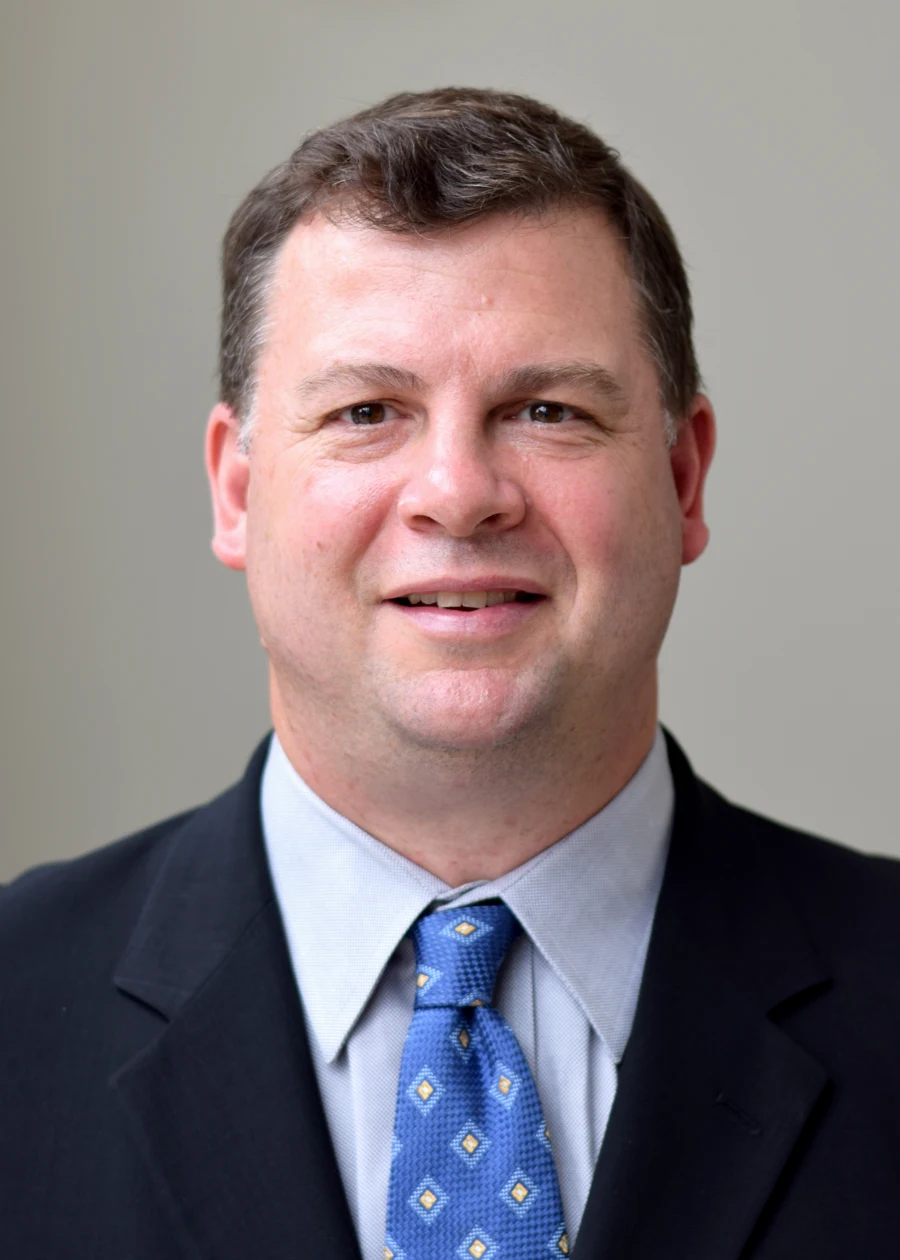
John Hamilton Scuras, CEO and founder of ClaimKnights
JOHN HAMILTON SCURASCEO & FOUNDER

LEADERSHIP

A property owner’s perspective.
An executive’s discipline.

John Hamilton Scuras

CEO & Founder, ClaimKnights

John brings experience across commercial real estate, business brokerage, enterprise negotiation, executive development, and hands-on property ownership. He founded Paladin Real Estate Investment in 2001 and works in commercial and business brokerage with Jameson Commercial.

His background includes designing, rehabilitating, building, and managing residential property, as well as advising on acquisitions, dispositions, leasing, redevelopment, and investment strategy. That owner-and-operator perspective informs how ClaimKnights approaches the practical consequences of property loss.

Before and alongside his real estate work, John held leadership, sales, and global account roles in the sales and negotiation effectiveness industry. His experience includes consulting and training engagements involving Baxter, Abbott Laboratories, Motorola Solutions, Cardinal Health, and BorgWarner.

Explore John’s expertise

EXPERIENCE THAT INFORMS THE BUSINESS

Strategy grounded in real assets
and real operating decisions.

Commercial real estate & value

Acquisitions, dispositions, lease negotiations, portfolio analysis, development opportunities, and financial modeling. Experience assessing both the physical asset and the economics around it.

How real estate value informs better questions

John’s acquisition, disposition, leasing, redevelopment, and financial-modeling background brings an owner’s perspective to asset decisions. A building is both a physical system and an economic operation.

  • Market value: what an asset may trade for, influenced by income, risk, location, and market evidence.
  • Repair or replacement cost: the cost of defined work or replacement; it is not the same as market value.
  • Policy valuation: the contractual measure applicable to the insured loss, including relevant conditions and limits.
  • Operating impact: rent, occupancy, expenses, and restoration dependencies that may need separate financial analysis.

Illustrative application: repairing a roof is one question; safely reopening leased space and documenting lost rental income are others. John’s executive contribution is to demand a complete situation map and the right specialist review. The licensed provider determines the claims position; qualified valuation professionals handle assignments that require their authority.

See these distinctions in a case →

Complex negotiation

Structuring agreements, identifying decision-makers, preparing evidence, and managing competing interests. Experience developing communication, sales, leadership, and negotiation solutions for major corporate clients.

Preparation that makes negotiation meaningful

John’s enterprise negotiation and leadership-development experience informs a disciplined approach: identify the decision-maker, understand the competing positions, prepare supporting evidence, and define the decision being requested.

For ClaimKnights, the intended executive standard is that a disputed estimate should come with a clear explanation of the disagreement and the information needed to resolve it. Volume, pressure, or an unsupported demand cannot substitute for a defensible position.

John sets the operating expectation. Carrier-facing claims negotiation remains with the authorized licensed provider, and legal disputes with counsel when needed.

Explore evidence-led advocacy →

Property & project execution

Firsthand property design, rehabilitation, construction, and management experience, supported by a background in project management and leadership.

Why hands-on building experience matters

John’s background in property design, rehabilitation, construction, and management informs the questions an owner needs answered: what must happen first, which trades depend on each other, what can be safely occupied, and what evidence supports the proposed scope.

Illustrative application: replacing a finished ceiling before investigating moisture may conceal unresolved damage. A competent workflow identifies the qualified professional needed to assess the condition, documents the finding, and coordinates the repair sequence.

Executive property experience supports oversight. Structural causation, engineering conclusions, and code analysis require professionals qualified for those assignments.

Follow a phased restoration example →

Company leadership

ClaimKnights strategy, capital allocation, key partnerships, leadership appointments, and expansion decisions. Operating standards and performance evidence guide the next investment.

Build the standard before scaling the platform

John’s CEO remit covers strategy, capital allocation, leadership appointments, key partnerships, and expansion gates. The objective is to turn quality expectations into a repeatable operating system.

The proposed pilot should demonstrate named case ownership, defensible records, documented technical review, reliable client communication, and complete financial reconciliation. Expansion should depend on evidence of performance and jurisdictional readiness.

Our ambition is to become an industry standard of excellence and carry that discipline into every sector we enter. The pilot must earn that ambition before scale makes it credible.

Read the proposed ClaimKnights standard →

Professional background

Paladin Real Estate Investment · Founded in 2001
Jameson Commercial · Commercial & business brokerage
2019 recognition · Commercial Office Sales Top Producer, Chicago Association of REALTORS® CommercialForum

Education & perspective

Northern Illinois University · B.S., Political Science
DePaul University · The Executives’ Circle Program
International experience · Lived, studied, and worked in Europe and Latin America

Executive leadership & licensed delivery

John’s ClaimKnights role is executive leadership. He is not presented as a licensed Illinois public adjuster. Adjusting, coverage analysis, insurer negotiations, and regulated claims representation belong to appropriately licensed or otherwise authorized professionals under the applicable engagement.

BUILDING THE RIGHT PROFESSIONAL NETWORK

Specialist expertise.
Shared standards.

The planned partner model connects property knowledge, technical evidence, and licensed claims delivery—with clear responsibilities and client choice.

Discuss a partnership

Licensed public adjusters

Claims leadership, technical review, and authorized carrier-facing representation.

What licensed public adjusting really means

A public adjuster represents the policyholder under an applicable engagement. An insurer’s employee adjuster and an independent adjuster hired by the insurer serve different principals; the word “independent” does not mean retained by the policyholder.

Licensed work can include preparing and presenting the claim, evaluating loss evidence, reviewing applicable policy provisions within the professional’s authority, and negotiating with the carrier. A public adjuster is not a substitute for an attorney in legal representation.

Our proposed selection standard goes beyond a license check: relevant loss experience, written case reasoning, demonstrated estimating competence, ethical conduct, supervised onboarding, and qualified peer review. Clients should know who is responsible for their case.

Read the legal baseline and higher standard →

Restoration & property specialists

Documented conditions, repair scope, and practical building expertise.

Scope, proof, and client choice

Specialists should document observed conditions, measurements, emergency work, repair scope, material assumptions, and costs. An estimate is more useful when another qualified professional can understand how it was built.

The proposed network will disclose relationships and financial interests, keep repair procurement distinct from claims representation, and preserve the client’s ability to choose providers. A preferred referral must not become an unexplained obligation.

Explore the independence standard →

Architects, engineers & financial specialists

Qualified analysis where the property or business loss requires it.

Assign the question to the qualified professional

Engineers may investigate structural or mechanical issues; architects may address design and restoration considerations; qualified financial specialists may analyze business-income or rental-loss records. Their actual remit depends on credentials, jurisdiction, and engagement.

The proposed assignment brief identifies the question, underlying evidence, assumptions, scope limitations, and required report. The claims lead integrates findings without replacing the specialist’s independent judgment.

See financial review in context →

Attorneys

Independent legal counsel when legal rights, disputes, or litigation require representation.

Recognize when a claims issue becomes a legal issue

A disputed claim may raise legal interpretation, contractual deadlines, releases, alleged misconduct, or litigation questions. Independent counsel determines legal advice and representation; an adjusting engagement does not create an attorney-client relationship.

The proposed escalation process preserves the issue history and source record, presents the client with the reason legal review may help, and obtains authority before sharing case materials. Counsel’s role and fees should be explained separately.

See the escalation principles →

CLEAR BEFORE YOU BEGIN

The questions
that matter.

Understand the model, the roles, and what a conversation with ClaimKnights means.

Is ClaimKnights currently accepting public-adjusting engagements?

This site introduces the ClaimKnights business model and leadership while the initial pilot is in development. It does not offer a public-adjusting contract or claim that ClaimKnights is a currently licensed adjusting firm. Business and partner inquiries are welcome. Any regulated service must be delivered through a properly licensed or authorized provider under a separate engagement.

What does a public adjuster do?

A public adjuster is engaged by the policyholder to assist with an insurance claim, subject to state licensing and contract requirements. The licensed provider’s role may include assessing the loss, preparing the claim, and negotiating with the insurer. The policyholder retains authority over settlement decisions.

Ask which party the adjuster represents, whether the provider and entity are authorized for the jurisdiction, what the contract covers, and who makes settlement decisions. A license establishes eligibility to practice; relevant competence and service quality need separate assessment.

Go deeper into the public-adjuster role →
Will John personally adjust or negotiate my insurance claim?

John leads company strategy, capital, leadership, and partnerships. He is not presented as a licensed Illinois public adjuster. Regulated adjusting and claims negotiation would be handled by the appropriately licensed provider identified in the engagement.

What makes the ClaimKnights model different?

The intended model combines centralized intake, organized evidence, standardized handoffs, licensed professional delivery, and executive oversight. Its focus is making case responsibility and next steps clear. The pilot is intended to validate those operating standards before broader expansion.

Our proposed requirements include scenario-based reasoning assessments, specialist assignment criteria, independent review of material conclusions, a traceable evidence record, and documented client decisions. We intend to measure these practices in the pilot rather than treating a brand promise as proof.

Compare incomplete processes with our intended standard →
Are fees or recovery amounts guaranteed?

No recovery amount, settlement timing, or fee is promised here. Any fee must be defined in the appropriate engagement and comply with the law that applies to the claim. Claim outcomes depend on the policy, facts, evidence, and applicable law.

How do I make an inquiry?

Use the email or telephone links below to contact John about the business or a potential partnership. Share a brief general introduction. Do not send policy documents, personal identification, financial records, or sensitive claim materials in an initial message. A conversation does not create an adjusting or legal engagement.

START A CONVERSATION

Let’s build a better
path for policyholders.

For business and partnership inquiries, connect directly with John Hamilton Scuras.